
Change in Ownership Is Sale — Contract Wording Cannot Alter Legal Reality

Businesses must ensure that substance prevails over form. Courts will determine tax liability based on actual transfer of ownership, not on the terminology used in agreements.
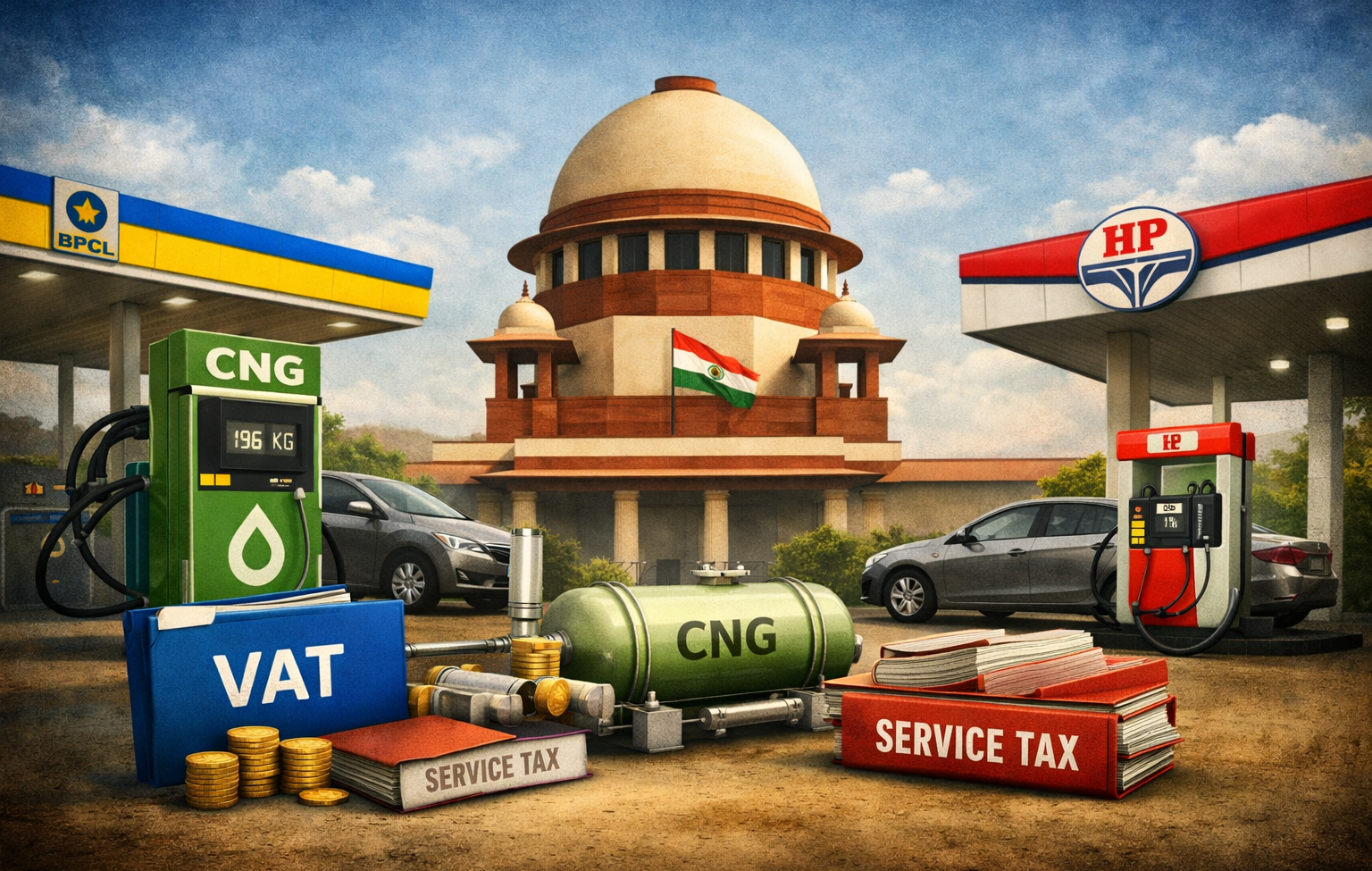
Mahanagar Gas Ltd. (MGL) manufactured and supplied CNG through BPCL and HPCL outlets. The oil companies provided space, manpower, and infrastructure, and received a margin per kilogram of CNG sold, described in agreements as “commission.”
Was this arrangement a sale of goods (liable to VAT) or a Business Auxiliary Service (liable to service tax)?
The Supreme Court held that the transaction was a Principal‑to‑Principal sale. Ownership of CNG was transferred by MGL to BPCL/HPCL before resale. VAT was charged and paid, confirming it as a sale of goods. The margin was a trade discount, not commission for services. Hence, no service tax liability arose.
Sale of Goods Act, 1930 — defines sale as transfer of property in goods for a price. And Finance Act, 1994 — service tax applies only when there is no transfer of ownership and the party acts as agent. When ownership of goods passes and VAT is paid, the transaction is a sale, regardless of how the contract is worded. If ownership does not pass and one party merely facilitates sales for another, it is a service.
Contract wording cannot alter the true commercial nature of a transaction.

CEO & Founder – Justicum Chambers A trusted partner in business strategy, law, and compliance—empowering entrepreneurs with strategic legal insights that strengthen resilience, safeguard growth, and drive sustainable success.
View All Articles