
Compounding of Offences under the Drugs and Cosmetics Act: Clarification Circular of 21 July 2026

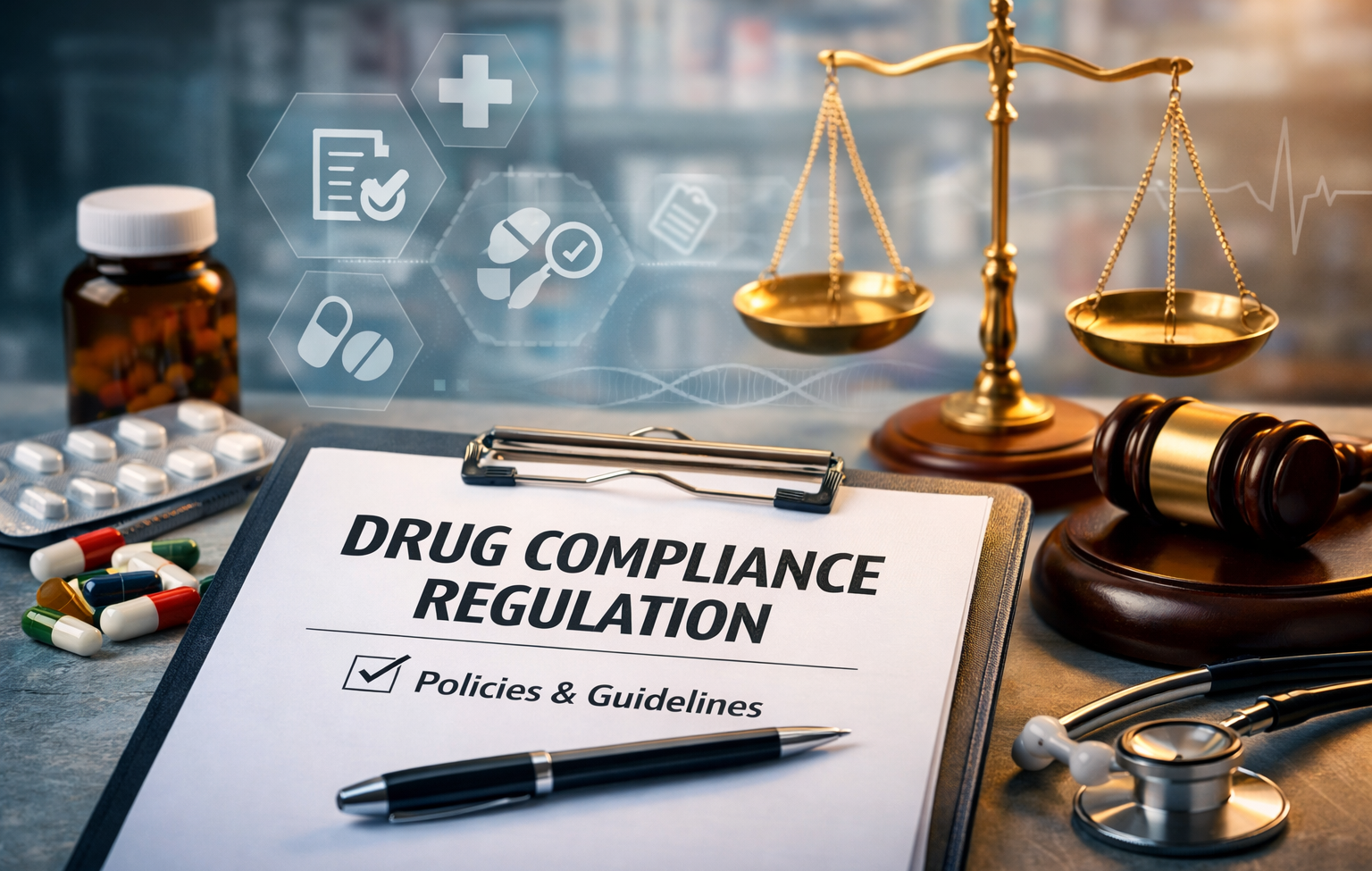
What is Compounding of Offences?
Compounding of offences is a compliance mechanism introduced under Section 32B of the Drugs and Cosmetics Act, 1940, and operationalized through the Drugs and Cosmetics (Compounding of Offences) Rules, 2025. It allows companies or individuals to settle certain minor or technical regulatory violations by paying a prescribed amount and fulfilling conditions, thereby avoiding prolonged prosecution.
Importantly, compounding is not a right, but a discretionary relief granted by the competent authority when the applicant demonstrates cooperation and full disclosure of facts. This framework reduces litigation burden, encourages self‑correction, and promotes compliance‑focused regulation.
Circular of 21 July 2026 – Jurisdictional Clarification
The Central Drugs Standard Control Organisation (CDSCO) observed that applications for compounding were being wrongly submitted to the Central Compounding Authority, even when offences fell under the jurisdiction of State Drug Control Administrations. To ensure uniform implementation, the circular clarifies:
1. If a State/UT Drugs Inspector drew the sample, the application must be filed with the State/UT Compounding Authority.
2. If a CDSCO Drugs Inspector drew the sample, or if the matter pertains to the Central Licensing Authority, the application must be filed with the Central Compounding Authority.
Applications filed before an authority lacking jurisdiction will be returned or rejected, and applicants advised to approach the correct authority.
This clarification eliminates procedural confusion and ensures that compounding applications are processed efficiently.
Business Implications
For manufacturers, importers, distributors, and licence holders, the circular has direct operational impact. Compliance teams must verify jurisdiction before filing applications to avoid delays and rejections.

CEO & Founder – Justicum Chambers A trusted partner in business strategy, law, and compliance—empowering entrepreneurs with strategic legal insights that strengthen resilience, safeguard growth, and drive sustainable success.
View All Articles